



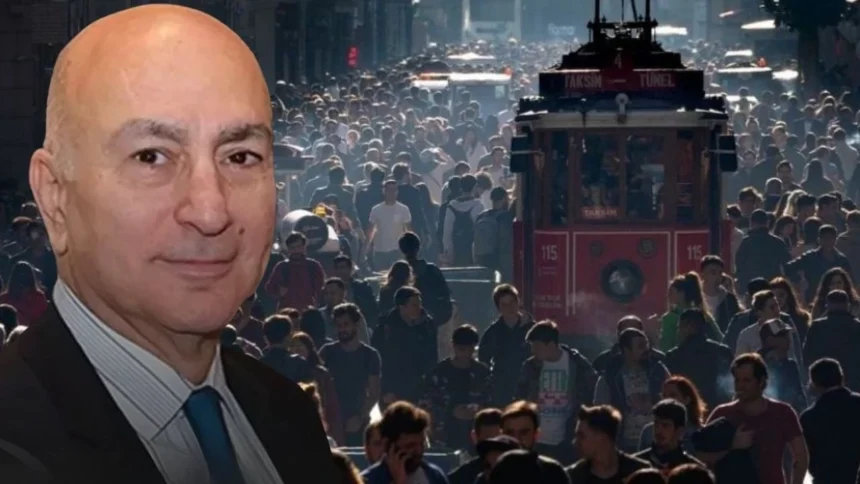
In a recent column titled “Where Has the Middle Class Gone?” Eğilmez challenges assumptions that crowded cafés, restaurants and malls signal economic resilience. Instead, he argues the trend reflects a combination of the lipstick effect, status anxiety, and conspicuous consumption, fueled by persistent inflation.
According to Eğilmez, many households especially in middle- and lower income groups have abandoned long-term savings as real incomes fall. This fuels demand for affordable luxuries such as cosmetics, branded apparel and high-end dining, while major purchases like homes and cars move out of reach.
Drawing on philosopher Alain de Botton’s concept of status anxiety, Eğilmez argues that consumers increasingly rely on visible symbols of success; premium smartphones, luxury cafés, designer goods often financed through debt. The pattern reflectsThorstein Veblen’s theory of conspicuous consumption, in which spending serves as a social signal rather than a reflection of actual wealth.
While middle-income households retreat from property and auto markets, those in the upper-income group continue to purchase second and third homes or replace cars annually. Eğilmez says wealthy buyers view such assets as a safeguard against inflation, preserving value more effectively.
Eğilmez concludes that Turkey’s middle class has undergone a structural shift rather than a disappearance.