


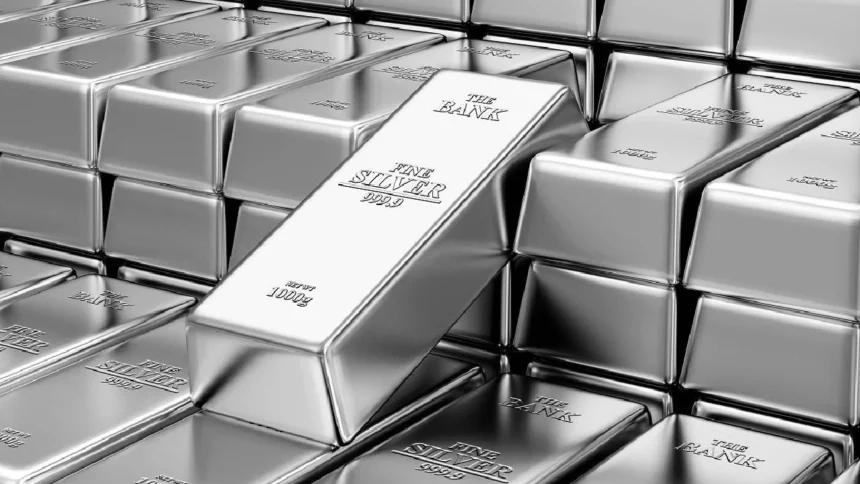
Silver has emerged as one of the best performing investment assets of 2025, breaking record after record and increasingly challenging gold’s long-held dominance. While gold remains more valuable per ounce, silver is gaining global importance due to a unique combination of supply constraints and rapidly growing industrial demand.
At the start of the year, silver was trading at around $30 per ounce. By mid-December, prices had more than doubled, reaching a record high of $64.65 per ounce. This represents a 110% year to date increase, far outperforming gold, which rose roughly 60% over the same period.
Dollar Weakness and Rate Cut Expectations
Part of silver’s rally has been fueled by the weakening US dollar and expectations that the Federal Reserve will move toward interest rate cuts. Such conditions tend to boost demand for precious metals as safe haven assets.
Structural Supply Shortages
However, the main driver behind silver’s surge is tightening global supply. Production is struggling to keep pace with demand, particularly in Latin America, which accounts for more than half of global silver output.
Mexico, responsible for about 25% of global supply, has seen production fall at double digit rates. Major mines such as San Julián are nearing the end of their economic life. Peru, Bolivia and Chile are facing declining ore grades, rising costs, political instability and stricter mining regulations.
According to industry analysts, without new discoveries or supportive policies, Latin American silver production is likely to stagnate or decline toward the end of the decade. Meanwhile, the global silver market has recorded a structural supply deficit for five consecutive years, with demand expected to exceed supply by around 95 million ounces this year.
Industrial Demand is Surging
Unlike gold, silver is not only a store of value but also a critical industrial metal. Its exceptional electrical and thermal conductivity makes it indispensable for modern technologies.
Solar panels rely heavily on silver, and demand is set to rise as countries accelerate renewable energy targets. Electric vehicles use up to two thirds more silver than internal combustion cars, particularly in batteries, wiring and charging infrastructure.
Artificial intelligence chips and data centers depend on silver for efficient, high performance circuits and heat management.
While demand for silver coins and bullion has softened, usage in electronics, jewelry, medical devices and consumer goods remains strong.
Outlook Remains Positive
Industry forecasts suggest global industrial silver demand will continue to rise steadily over the next five years. Analysts also expect silver to benefit significantly from growth in electric vehicles and data center investments through the early 2030s.
Once a cornerstone of global monetary systems, silver has largely shifted from currency to industrial backbone. Today, that transformation is helping propel the metal to historic highs potentially reshaping its role in global markets once again.